BLOG

PSYCHOLOGY IN MARKETING

Advertising has somehow become part of our global culture and is deeply rooted in our society. There is hardly a moment when an individual is not exposed to an advertising message. Advertising is all around us and has become an everyday thing. If in 70 people were exposed to approximately 500 ads per day, the individual is now exposed to approximately 5.000 ads per day.

Emotion / reason

We can say that even if we are not in the middle of unspoilt nature, without a phone in our hand and in clothes that do not have brand logos sewn on them, advertising messages accompany us at every step. Since the individual is so heavily exposed to promotional content, advertisers have to think even more about how we will be able to bring a certain product or service closer to the target group so that it will notice them.
We write down some psychological tricks below ;).

Advertisers try to appeal to both emotions and reason, but in the end, many studies show that the final purchase in most cases is due to an emotional decision. Campaigns that appeal to emotions are three times more successful than those that appeal to reason. Advertisements that trigger emotions in people are thus aimed at several emotions, but the most successful are those that appeal to pride, love, friendship, empathy, loneliness... The emotional response of the consumer to the ad is important above all, not so much the content, as this to a large extent predicts the final purchase of a product or service.

Colors

Like emotions, colors also affect a person's mood and awaken certain feelings in him. Research shows that even the color of a CTA button on a website can influence a purchase. Changing the CTA button from light green to yellow increased conversion by 14,5% on one ad. Even a colored border on a Facebook ad can double the chance of an ad being clicked.

Positioning content to the left

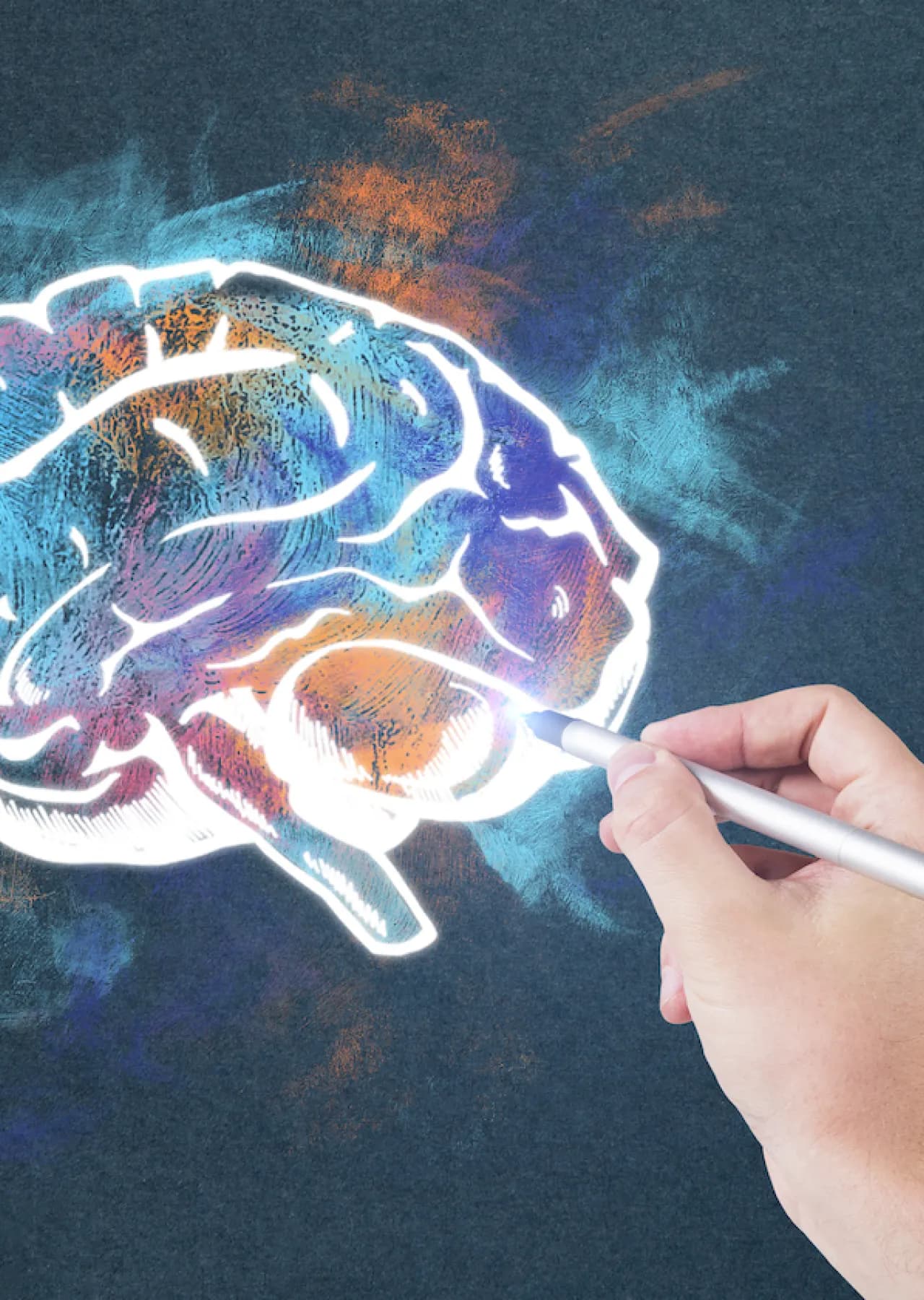
Since the right hemisphere of the brain is responsible for processing visual information, and the left is more logical and responsible for verbal messages, placing the image on the left side of the text increases the processing of the entire advertising message. By placing images and graphics not on the left side of the ad, consumers absorb the ad and its content more quickly

Smart product placement

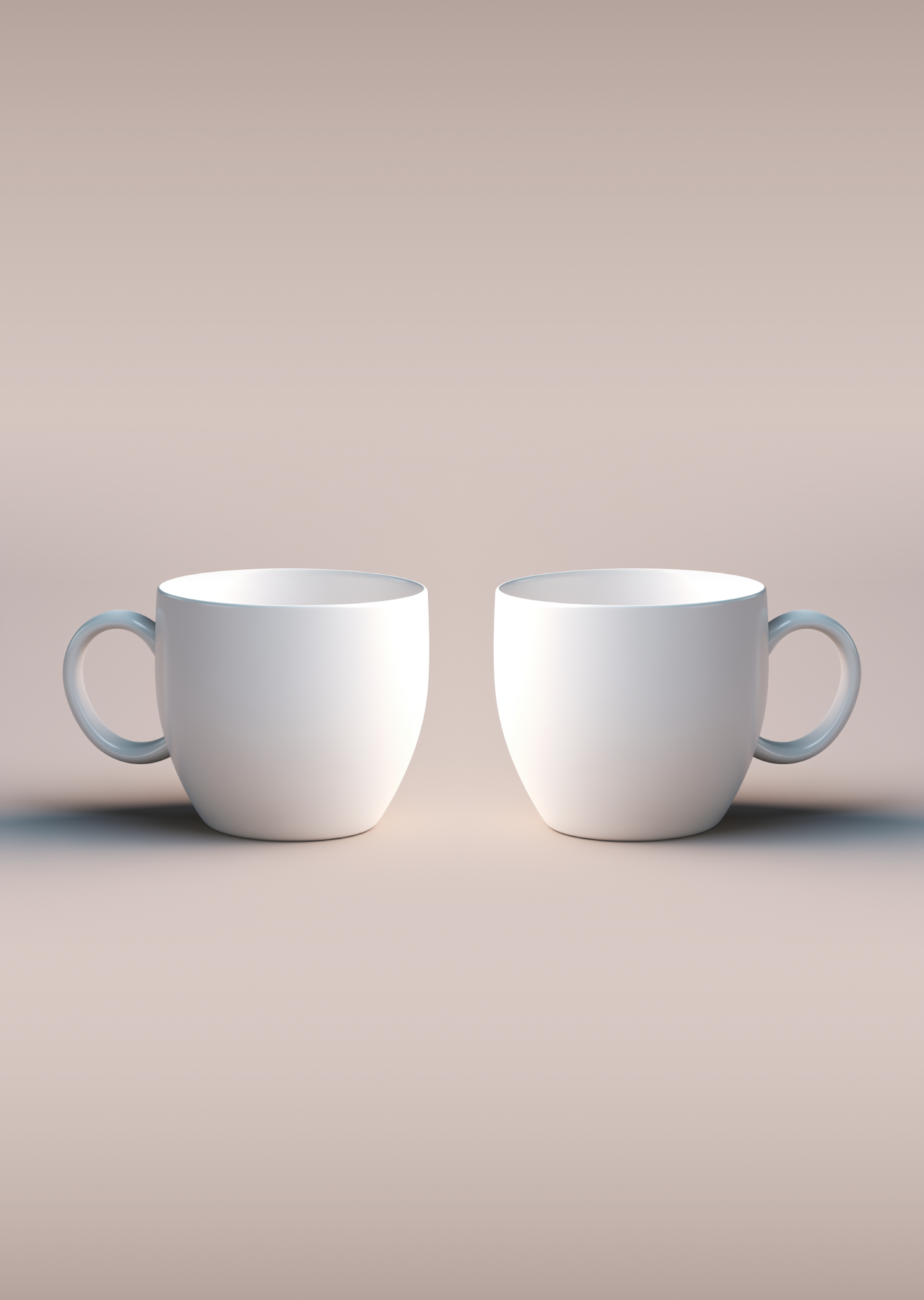
Do you think the mug in the photo on the right looks mysteriously more attractive? If you had to choose between these two mugs, you would definitely buy the one on the right, and that's because its handle is facing you.

Skillful marketers always consider the psychological impact of the final images when depicting items for promotional purposes. They must achieve a basic goal: to stimulate mental interaction. Going back to the example of two cups, consumers will prefer the cup with the handle facing to the right, since most people hold the cup from that side (most people in the world are right-handed). 

If the advertised item does not have a handle, a similar effect can be achieved by placing a support tool on the right side of the item. Look online for photos of cereal bowls and in most cases you'll notice that the spoon in the picture is on the right side of the bowl. Anything that encourages our interaction with an object increases the possibility of interaction.

View directed to CTA button

Humans have a tendency to follow the gaze of the eyes. If your ad contains images of people, it is important that they have their eyes directed to the CTA button, as this will draw more attention to the button.

Promoting exclusivity

Probably the most important and useful strategy among all of the above. We all want to feel important - we want to be part of an exclusive group. Advertisers therefore use consumer complexes to get "under their skin".
Advertising psychology is based on the principle of deficiencies. This principle is based on the fact that we value the things that are inaccessible to us the most. Why do people line up on Black Friday or get up at 5am to pre-order the latest iPhone? Everyone wants to be among the lucky few who own an exclusive product.

Feeling of lack

People want more things that are limited in quantity. In 1975, researchers 200 showed people two identical cookie jars, one with 10 cookies and the other with only 2. Surprisingly, people rated the cookies in the second jar as more valuable. Today, this marketing trick is often used by airlines, hotel booking applications... ("there are only 10 seats left for this flight" or "there are only two hotel rooms left").

Let's
create
something great together

(or call: 01 620 3370)

Contact

Fill in the form and briefly tell us what you have in mind. A member of the ENKI team will get back to you soon. Talk to you soon!