BLOG

AN OPPORTUNITY FOR DIFFERENT INNOVATIONS

The shortage of raw materials, longer delivery times, the unavailability of some products and new austerity laws have shaken the thinking of abundance based on untouchable accessibility, convenience and speed.

Understanding "innovation" and "being innovative".

For those who have taken abundance for granted, this kind of experience is a glimpse of what a de-stocked future would look like.

The abundance mindset has transitioned into actively pursuing sustainable approaches, and creating a balance between affordability and sustainability may be the next big opportunity for brands. We are talking about a different understanding of “innovation” and “being innovative.”

While scarcity in the supply chain is only a temporary challenge, we hope that the impact will remain and open the door to change the way we think about abundance, especially as it relates to the environment.

Commodity shortages could affect customer morale, so brand owners will need to be prepared to manage their sustainability expectations.

Do you think that today's innovations must necessarily rely on the "new"?

The challenge is to innovate and strike a balance between accessibility and sustainability

When deciding on a purchase, more and more customers are weighing between good for the planet and useful for satisfying the individual's basic needs. Understanding this balance should be at the heart of sustainable brand innovation - both in the short and long term.

In order to make progress in this area, a change in mindset is needed to separate innovation from the concept of "new". It is often said that people need to change their behavior, but this is difficult to do when they are constantly being influenced differently. For sustainable behavior to stick, brands will have to think differently.

"Less" does not necessarily mean "loss"

The lack of convenient repair solutions means that it is often easier to buy a brand new product. For brands, this could be solved with new services that cater to both customers and government moves.

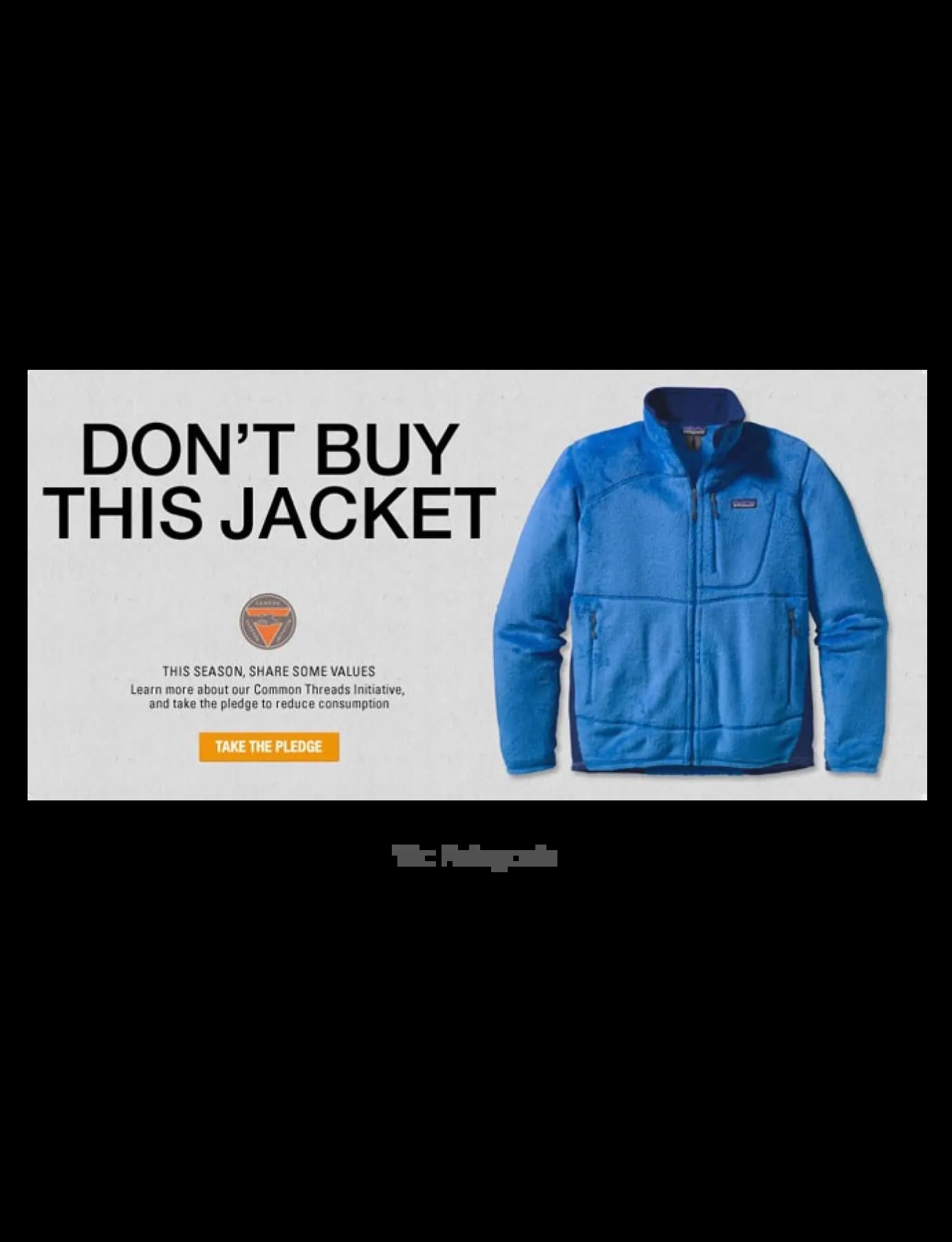
In the fight against the planned obsolescence of technical devices, the "right to repair" movement is emerging, which Patagonia, Inc. has also introduced into its model. The American retailer of outerwear and useful accessories has already enabled its customers to repair purchased products.

The European Commission also proposed a law last September that would force manufacturers to create a universal solution for charging phones and small electronic devices in order to encourage the reuse of existing chargers and reduce the amount waste.

Does it sound liberating?

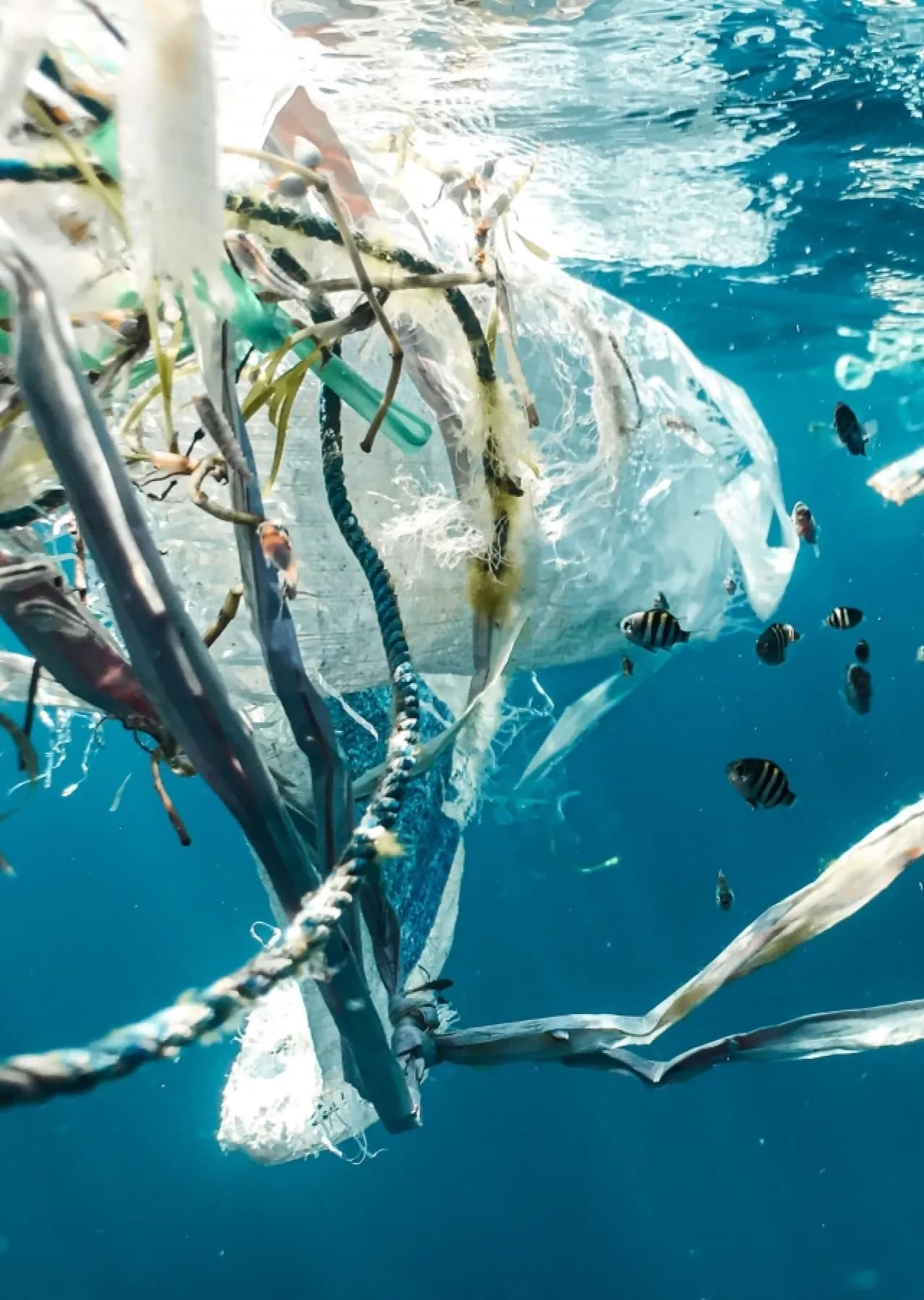
Fragile supply chains can be an opportunity for regeneration, replacing the traditional "take, make, dispose" model with a circular and more sustainable approach.

Brands face the important task of establishing a sustainability plan that will lead the company and users to net neutrality - and beyond, to a positive impact on nature.

With innovative approaches, become an example and inspiration not only for consumers, but also for other brands.

Let's
create
something great together

(or call: 01 620 3370)

Contact

Fill in the form and briefly tell us what you have in mind. A member of the ENKI team will get back to you soon. Talk to you soon!