BLOG

SUCCESS OF VIRAL ADVERTISING

In recent years, the world of marketing communication has also changed with rapid technological development. Companies and advertising agencies thus got the opportunity to show how innovative they are and how they can introduce new challenges into their work. Brands thus experienced a rebirth and an opportunity for a new flourishing. Above all, the interactive connection of the consumer with the brand and its co-creation only came to the fore.

Greater user involvement

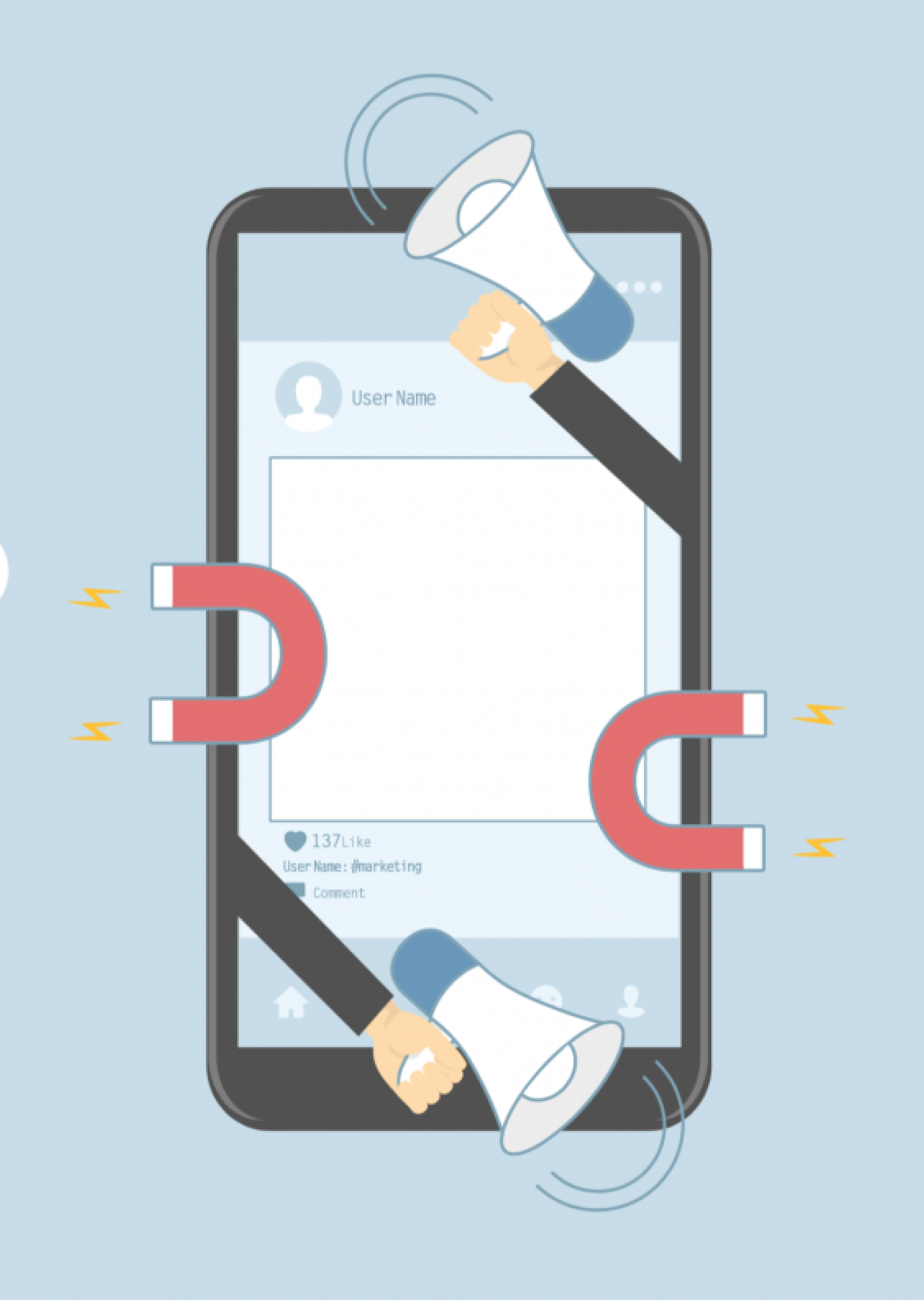
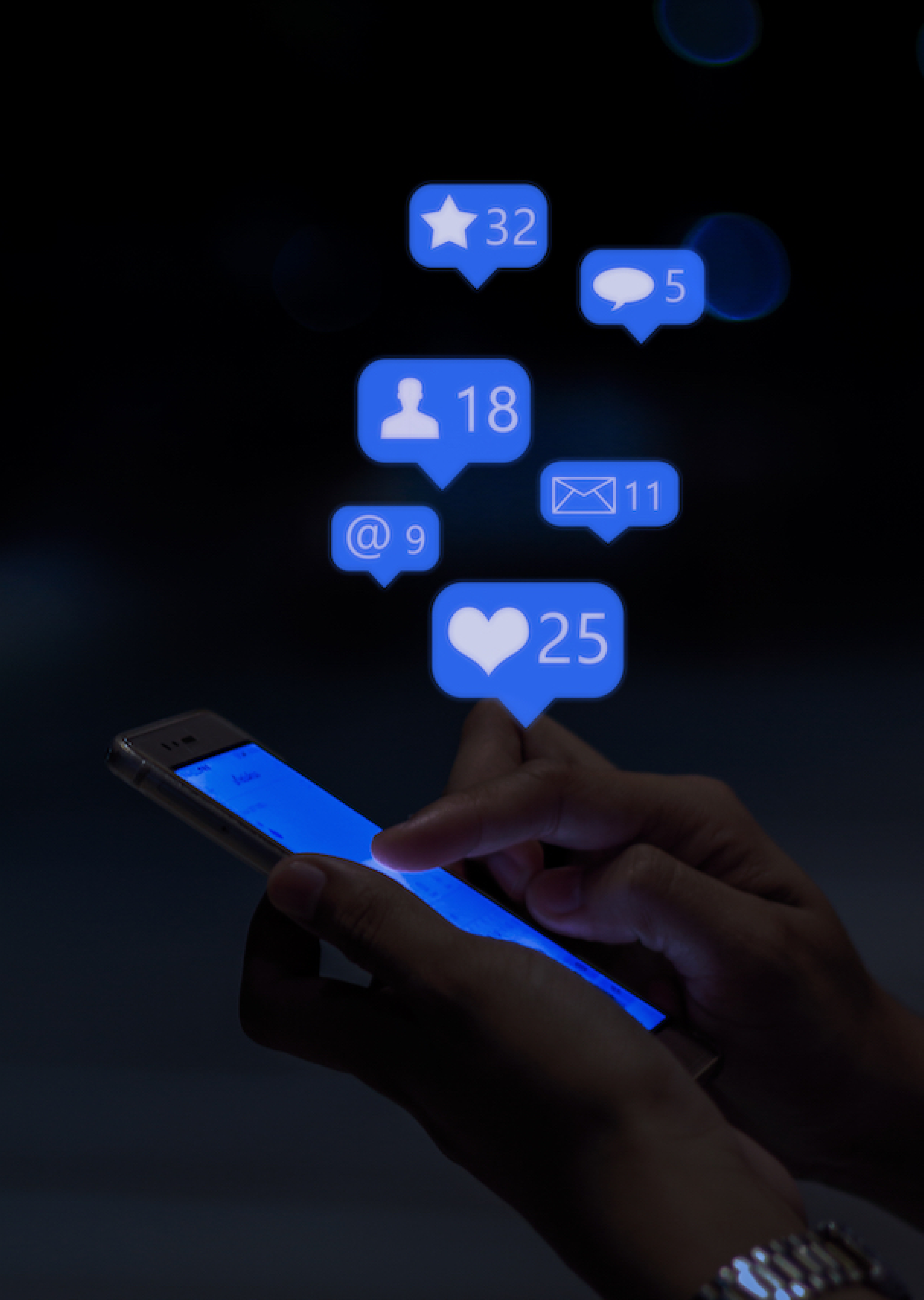
As said, without new technology even viral advertising could not be what it is. The opportunity for its validity and ever-improving results were made possible primarily by social networks, which provide opportunities for consumers to spread brand messages easily and quickly among their followers and friends. Viral advertising thus represents a very effective and cost-effective method through which brands build their role.

Viral Campaign Factors

The ad should be entertaining, but at the same time, it should include components that the viewer or reader will be interested in and willing to share. It is necessary to choose content with which a large number of consumers identify and, therefore, will be more likely to share the message with others. Care must be taken to evoke emotions in the audience. If consumers don't feel any emotion when viewing the content, they are unlikely to share the campaign further. Although content that evokes negative emotions is more likely to be reshared, consumers will also share content that contains highly positive emotions.

A simple creative idea

Research has shown that people are much more likely to believe content that is part of negative viral marketing than positive, especially if the recipient or content seeker has no information or experience with a particular product or service. Even if the product or service belongs to a higher price range, consumers will believe negative viral advertising more than positive. Negative rumors spread much more easily than positive ones, so in such cases it is very important that companies have a prepared strategy on how to turn negative rumors into positive ones, i.e. negative viral marketing into positive ones.

Understand consumers

A consumer's first contact with a viral ad is often achieved through a seeding process, which delivers the message we want to go viral to selected consumers, who then spread it further through their social networks. The beginning of the viral process can thus be marked by a seeding strategy, which includes how many initial seeds (users) we need to spread the viral content and what type of user we will use for the initial seed. Choosing the right consumer (seed) is crucial, as this affects the subsequent viral process. 

The campaign does not spread by itself, but - as said - from individual to individual. People who transmit viral messages mostly spread them voluntarily. This increases the credibility of the transmitted message and reaches the audience, who in this case are much more willing to listen to or read the disseminated message. The reason for this is that the sender of the content knows who is included in his "network" and who might be interested in the message about the product or service. If someone is paid to promote a product, people immediately doubt the credibility of the person who is promoting it.

Let's
create
something great together

(or call: 01 620 3370)

Contact

Fill in the form and briefly tell us what you have in mind. A member of the ENKI team will get back to you soon. Talk to you soon!